SLC Stephen L. Cawelti Family Law Attorney
Practice Area

Los Angeles LGBTQ+ Divorce Attorney

Divorce is governed by the same California laws regardless of sexual orientation or gender. But for some LGBTQ+ couples, the history of the relationship or the way a family was formed can create additional legal questions.

Stephen L. Cawelti is a California Board-Certified Family Law Specialist who helps LGBTQ+ clients throughout Los Angeles navigate divorce, property division, support, custody, parentage, and other complex family law matters.

Why clients trust Cawelti Law

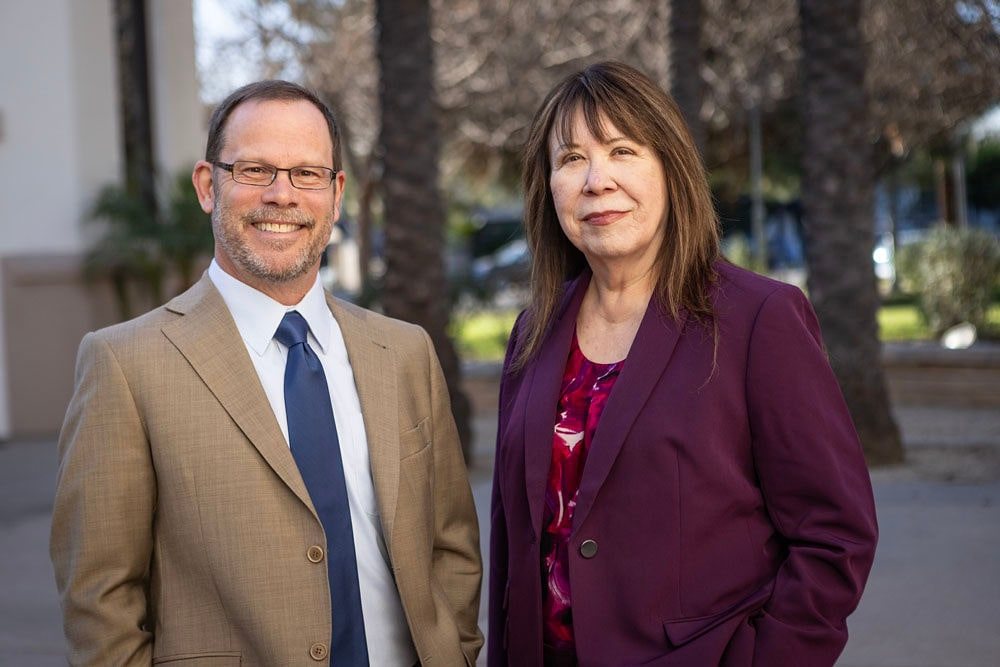
Stephen Cawelti, LGBTQ+ divorce and family law attorney in Burbank
Experienced Representation

Experience Matters in LGBTQ+ Family Law

For most LGBTQ+ couples, divorce follows the same legal process as any other California divorce. The complexity can come from the circumstances surrounding the marriage, property, parentage, or family structure.

With 20+ years practicing family law, Stephen L. Cawelti has represented hundreds of individuals in complex divorce cases. As a California Board-Certified Family Law Specialist, he helps clients understand their options and develop a strategy for moving forward.

Stephen approaches each case with the same goal: protect what matters, avoid unnecessary conflict, and be ready for court when it counts.

Request a Consultation

Tell us a little about your situation and we’ll follow up within 1 business day.

Preferred method of contact (please select all that apply)
LGBTQ+ Divorce in California

Is LGBTQ+ Divorce Different in California?

In most respects, no. California’s divorce laws apply to same-sex and opposite-sex marriages alike. The same general rules govern property division, spousal support, child custody, and the divorce process.

But some LGBTQ+ divorces can involve additional questions because of when the relationship began, when the couple was legally able to marry, whether they registered as domestic partners, or how legal parentage was established.

Diverse family law attorneys ready to help with LGBTQ+ divorce matters

Property & Relationship History

For couples who built a life together before they could legally marry, questions about ownership, agreements, and the characterization of particular assets may require closer analysis.

Domestic Partnerships

Some couples may be married, registered domestic partners, or both. Understanding exactly which legal relationships exist is an important first step.

Parentage

Biological parentage and legal parentage are not always the same. Adoption, assisted reproduction, surrogacy, and other circumstances can make determining parental rights more complex.

Custody & Support

When children are involved, determining legal parentage can affect custody, parenting time, and support.

Parentage & Children

Understanding Parentage in LGBTQ+ Families

California law recognizes that a child’s legal parents are not always determined solely by genetics. That can be particularly important for families formed through adoption, assisted reproduction, surrogacy, or other parenting arrangements.

California law can also recognize more than two legal parents in certain circumstances.

When an LGBTQ+ couple with children separates, determining who has legal parentage can be an important first step before resolving custody, parenting time, and child support.

Stephen helps clients understand how California parentage and custody laws apply to their family and protect the parental relationships that matter to their children.

Two mothers and their young child together at home
“
In cases where a child has more than two parents, the court shall allocate custody and visitation among the parents based on the best interest of the child, including, but not limited to, addressing the child’s need for continuity and stability by preserving established patterns of care and emotional bonds. The court may order that not all parents share legal or physical custody of the child if the court finds that it would not be in the best interest of the child as provided in Sections 3011 and 3020.

California Family Code § 3040(f)

Domestic Partnerships

Marriage and Domestic Partnership

A person isn’t in a California registered domestic partnership simply because they have lived with a partner for many years or refer to one another as domestic partners. Whether the partnership was legally registered matters.

Registered domestic partners generally use the California court process to end their partnership. Some couples who meet specific requirements may qualify for a simplified termination process instead.

For couples who are both married and registered domestic partners, or whose legal relationships were established in different states, it’s important to determine exactly which legal relationships need to be dissolved.

“
Many of my clients consider themselves to be “domestic partners” but never legally registered as such. No matter your own personal label, you are not in a legal domestic partnership unless you have registered as such with the state.

Stephen L. Cawelti

Frequently Asked LGBTQ+ Divorce Questions

Is same-sex divorce different from other divorces in California?

For the most part, no. California’s divorce laws apply to same-sex and opposite-sex marriages alike. The same general rules govern property division, spousal support, child custody, and other divorce issues.

However, some LGBTQ+ couples face additional questions involving domestic partnerships, legal parentage, assisted reproduction, or relationships and property that predate their legal marriage.

How is property handled if we were together before we could legally marry?

Living together before marriage does not automatically make all property acquired during that period community property.

However, a long relationship before marriage can create additional questions about ownership, title, contributions, agreements between the partners, and when particular assets were acquired.

If you built substantial assets together before marrying, an attorney can help determine how California law applies to your particular circumstances.

Does being a biological parent automatically determine custody rights?

Not necessarily. Biological connection and legal parentage are not always the same thing under California law.

How a child was conceived, whether an adoption occurred, and other circumstances surrounding the establishment of parentage can affect who is legally recognized as a parent.

Determining legal parentage may therefore be an important first step in resolving custody and parenting-time issues.

How do I end a California registered domestic partnership?

The process depends on your circumstances.

Many registered domestic partnerships are dissolved through the California courts using a process similar to divorce. Some couples who meet specific requirements may qualify for a simplified termination process instead.

If you are both married and registered as domestic partners, additional steps may be necessary to end both legal relationships.

Can I get divorced in California if I married here but no longer live here?

In some circumstances, yes.

California provides a special option for certain same-sex spouses who married in California but currently live in a jurisdiction that will not dissolve their marriage. They may be able to file in the California county where they married.

However, the California court may not have jurisdiction to decide every related issue, such as property, support, or child custody. An attorney can help determine what a California court can address in your particular situation.

Call 747-200-5712