When we think of domestic violence we often picture physical abuse. Domestic violence, however, encompasses much more than that. It isn’t always easily recognized, even by people who are experiencing it.
The intersection of domestic violence and family law is important to understand. Domestic violence will greatly impact your divorce case. This guide covers it all. From how to recognize domestic abuse and properly document it to its impact on child custody and spousal support.
Note: If you believe you are the victim of domestic violence seek help immediately, at any time of the day or night.
What is Domestic Abuse?
Domestic violence is characterized as abuse from an intimate partner or family member. Any partner or family relationship can fall under the umbrella of domestic violence. You don’t have to live with an abuser to be in an abusive relationship.
Child abuse and elder abuse are other common forms of domestic violence. Abuse can happen by a parent, sibling, child, grandparent, or another family member.
Unfortunately, partner and child abuse are both seen in the practice of family law. There are multiple types of abuse and laws in the realm of domestic abuse.
Types of Domestic Abuse

The term domestic violence is broad and far-reaching. It has changed since the mid-1800s when physical abuse prevention became a social movement and husbands finally lost the legal right to beat their wives in many states.
Today domestic violence includes more than physical abuse. There are many types of domestic violence. It is common for someone in an abusive relationship to experience more than one kind of abuse.
Physical Abuse
There is a reason that physical abuse is the type of abuse most often associated with domestic violence. According to reported statistics, it is one of the most common forms of abuse. It can also be one of the easiest to identify as abuse.
Statistics of Physical Abuse
Roughly one-third of women will be physically abused by an intimate partner during their life. Men are victims as well. One in seven of them has been or will be physically abused by an intimate partner.
Child abuse is harder to track because it can go unreported and unnoticed more often than adult abuse. An estimated three to ten million children a year are physically abused in the United States. Even without exact statistics, it is considered prevalent enough to be seen as a public health epidemic in America.
What is Physical Abuse?
Physical abuse is any action that purposefully causes bodily harm to someone. This can include hitting, kicking, slapping, choking, biting, pushing, squeezing, and more. It can also include injuries caused by a weapon or other object.
Violence is considered abuse even if it doesn’t leave a physical mark.
Financial Abuse
 Financial or economic abuse is one of the most overlooked forms of abuse. It is also one of the most prevalent. Research suggests that 99% of domestic violence victims are experiencing financial abuse in addition to other forms of abuse.
Financial abuse can be the only form of abuse in a relationship, but it often is not.
Forms of Financial Abuse
At its core, financial abuse is the practice of restricting monetary resources to trap someone in a relationship. There are many ways this can be done. Sometimes it is even masked as a generous act so one person doesn’t have to worry about the finances.
Common forms of financial abuse include:
- Controlling how money is spent
- Refusing access to bank accounts, cash, or credit/debit cards
- Acquiring a lot of debt without consulting the other partner
- Not allowing a partner to work
- Refusing to work
- Sabotaging a partner’s career or work opportunities
- Stealing the partner’s identity
- Hiding or selling assets
- Stealing from the partner
- Purposefully ruining one partner’s credit score
- Refusing to pay bills
- Withholding money or giving a small allowance
- Refusing or criticizing spending on necessities
- Not including the partner in investment decisions
- Now allowing the partner to receive government assistance they qualify for
Financial Abuse and Fear
A lack of financial stability is one of the most cited reasons victims have for not leaving an abusive partner. Financial security is a powerful motivator abusers use to keep their partners from leaving.
The fears are justifiable. There are both short-term and long-term effects of economic abuse that can be difficult to overcome. There are resources and programs made to assist victims of domestic violence so they can leave abusive partners.
Verbal Abuse
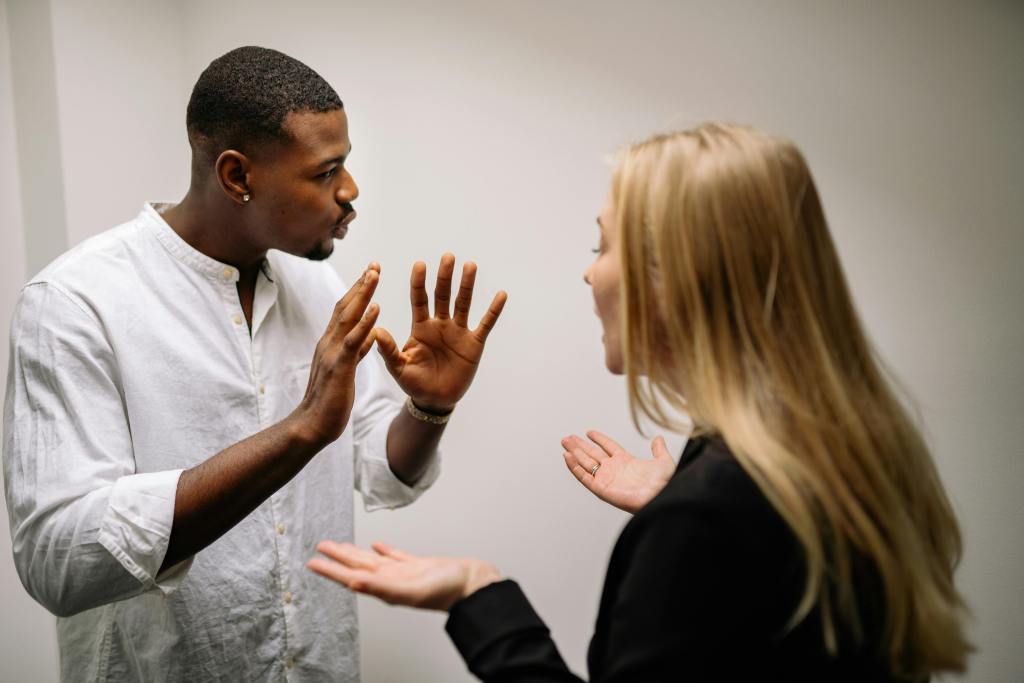 One of the most overlooked types of abuse is verbal abuse. Victims of verbal abuse often dismiss it because it doesn’t cause a physical injury and can be hard to prove. Verbal abuse is a common tool in an abusive partner’s arsenal though.
Verbal abuse includes any language used to bully, intimidate, belittle, coerce, or maintain power over someone. A common misconception is that verbal abuse has to be yelled. It doesn’t have to be loud or angry to be classified as abusive language.
Discounting and Countering
Two common types of verbally abusive language that don’t have to be loud are discounting and countering.
Verbally abusive individuals will often discount what their victims say. This looks like telling their partner they’re too sensitive or don’t understand jokes. It can be a form of gaslighting. Abusers will use their language to discount their partner’s feelings or thoughts on a regular basis.
Perpetrators will also counter their partners. This means they either frequently create arguments or always take the other side when an argument occurs. The point of this is to undermine or gaslight their partner.
Withholding
Sometimes verbal abuse doesn’t require any language at all. Withholding is a form of verbal abuse where a partner purposely withholds important information or doesn’t speak to their partner at all as a means of maintaining power.
Emotional Abuse
 Emotional abuse and verbal abuse can be very similar. In most situations, someone is employing verbally abusive tactics to emotionally abuse a victim.
The main difference between verbal abuse and emotional abuse is that verbal abuse relies solely on words. The victim’s emotions might not factor into the equation at all.
Emotional abuse is the intentional use of actions and words to make a victim feel negatively about themselves or a situation. The goals are often the same in verbal and emotional abuse. The abuser wants to isolate, belittle, humiliate, and control the victim.
Emotional abusers will also frequently point out that victims deserve the abuse because of the flaws they have.
Common Behaviors
Abusers who rely on emotional tactics often have the same practices. They rely on manipulation to achieve their goals. This can look like purposefully crying to get their way, playing mind games with their partners, demonstrating narcissistic tendencies, and isolating their partner from other people.
Everyone has emotional moments and most people will make their partner feel bad at one point or another. Intention and repetition are what set emotionally abusive relationships apart from other relationships with occasional emotionally unintelligent moments.
Technological Abuse
Technological abuse has a few different facets. In every situation, an abuser uses technology to harass, stalk, manipulate, coerce, or isolate their victim.
Common examples of technological abuse include refusing a partner access to a phone, computer, or internet, monitoring their partner’s use of technology, cyberbullying or stalking a partner, or manipulating a partner with online threats or blackmail.
Sexual Abuse
Like other types of abuse, sexual abuse has multiple varieties. Some forms of sexual abuse are straightforward and victims recognize the behavior as abusive. Other common forms of sexual abuse are more nuanced and victims are made to believe they’re normal or deserved.
What Constitutes as Sexual Abuse?
 Sexual abuse is any unwanted sexual action or attention. Coercion and fear are often used to force someone into a sexual act they don’t want to be a part of.
Unwanted sexual attention reaches further than just abuse directly from the victim. It includes being forced by an abuser to perform any sexual act with another person other than the abuser, foreign objects being used in an uninvited sexual way, having to watch a sexual act against your will, or when sexual activity goes beyond the consent initially given.
Sexual acts done to someone incapable of giving consent are also considered abuse. This includes acts committed on children, those who are physically or mentally handicapped, and someone unconscious or incapacitated in any way.
Sexual Abuse and Marriage
One of the most common misconceptions about sexual abuse is that much of it can’t happen in marriage. There is no implied consent in a marriage. Both partners need to consent to all sexual activities, even in a marriage.
Marital or spousal rape is when one spouse forces the other to have sex or commit another sexual act. This includes sexual acts done when one partner is unconscious or incapacitated. California’s legal stance on marital rape was repealed in 2021 and replaced with stricter punishments. Marital rape is now seen the same as any rape in California. Convicted abusers will face a felony charge instead of a lesser one.
Neglect
Neglect is seen most often in child abuse cases, but can be seen in care of the elderly or disabled as well. This is the most common form of abuse in children.
Neglect can be physical, emotional, medical, or educational. Anytime a basic need isn’t met, neglect is likely. Common forms of neglect include not providing necessary medical care, forcing someone to be malnourished, not allowing a child to receive an education, and not providing clothing, shelter, and other basic needs.
Neglect can lead to death, serious injury, exploitation, sexual abuse, or emotional abuse.
Spiritual Abuse
Spiritual abuse has two sides. Both deal with religious practices and control.
The first type of spiritual abuse is someone forcing a partner or children to participate in religious practices they are not comfortable with. This can also include using spiritual beliefs to manipulate someone to do things they don’t want to do.
The second type of spiritual abuse is when a partner refuses to let the other partner practice the religion they want to. This can look like refusing to let them attend religious meetings, serving them prohibited foods, or mocking their beliefs.
Overlap with Other Types of Abuse
Spiritual abuse can overlap with other types of abuse. Religious beliefs will often be used as a justification to neglect children, violate a partner sexually, emotionally abuse a partner or children, financially control someone, or physically punish children or a partner.
Using a religious text or teachings to shame someone or justify abuse is common in relationships with spiritual abuse.
Freedom of religion is not a justifiable reason to abuse a partner or children in the eyes of the law. When spirituality leads to abuse or neglect the right to exercise that portion of someone’s religious beliefs is gone.
Coercive Control
 Coercive control is a pervasive form of domestic abuse that involves a pattern of behaviors used to dominate and intimidate a victim, often without physical violence. In California, this type of abuse is increasingly recognized as a serious issue within domestic violence cases.
Examples of coercive control include:
- Isolation: Restricting a person’s contact with friends, family, or support systems to create dependence on the abuser.
- Monitoring: Constantly checking phone calls, emails, social media, or tracking a person’s location to control their movements.
- Financial control: Limiting or denying access to money, bank accounts, or employment to make the victim financially dependent.
- Emotional manipulation: Gaslighting, undermining the victim’s confidence, or belittling them to erode their sense of self-worth.
- Threats: Threatening harm to the victim, their loved ones, or even pets if they don’t comply with demands.
- Regulating daily activities: Controlling what the victim wears, eats, or when they sleep, often under the guise of “concern.”
- Withholding necessities: Refusing access to basic needs like food, medical care, or transportation as a way to exert control.
- Stalking: Showing up uninvited at the victim’s workplace, home, or social gatherings to create fear or intimidation.
- Jealousy or possessiveness: Accusing the victim of infidelity or untrustworthy behavior as an excuse for controlling actions.
- Manipulating children: Using the children as pawns to control the victim, such as threatening to take them away or turn them against the victim.
These behaviors work collectively to strip the victim of their freedom and autonomy, leaving them feeling trapped and powerless in the relationship.
Coercive control creates a climate of fear and dependency, making it extremely difficult for the victim to break free from the relationship. Unlike physical abuse, coercive control can be more subtle and harder to identify, but its psychological impact can be devastating. For victims, the consequences are long-lasting, affecting their mental health, confidence, and ability to regain autonomy.
Family law courts in California are becoming more attuned to these forms of abuse, and recent legislative changes have made it easier for victims to present evidence of coercive control when seeking protective orders or custody arrangements.
Other Forms of Abuse
There are many forms of abuse seen in relationships. The list in this article is not exhaustive, though it represents the most common forms of abuse.
Modern-day slavery, discriminatory abuse, dating violence, and more are seen in domestic violence situations.
Documenting Domestic Violence
It is imperative that you have documentation of the abuse you have experienced for legal purposes. Unfortunately, it can be difficult to factor domestic violence into a divorce or child custody agreement if there isn’t documented evidence of abuse occurring.
Hospital Records
If you are injured badly enough by a family member or partner that you need to receive medical care, you can use the medical records to corroborate your experience. Even if you didn’t tell the practitioner that your injuries were from abuse, you can use medical records to paint a picture of your abuse.
Many abusers will not let their partners or children seek medical attention without them. It can be difficult to tell a doctor or nurse that your injuries are the result of domestic violence.
When possible, find a way to alert someone at the hospital or clinic about your situation so a note can be put in the official medical record. This will be helpful down the road if you plan to file any formal charges or use the history of abuse to gain custody of your children or prevent you from having to pay spousal support.
If your children are being abused the same advice applies. Do all you can to have the abuse mentioned in their chart.
Try to see a doctor without your abuser so all important details can be shared.
Photos or Screenshots
 Photos of abuse and screenshots of abusive conversations can create a timeline and show the prevalence of violence in your relationship.
Victims of domestic violence can have a difficult time hiding evidence from their abusers. If you worry that your photos or screenshots might be found or deleted you have a few options:
- Print physical copies and keep them at work
- Upload evidence to a password-protected cloud storage service
- Send digital copies to a trusted family member or friend
Collecting and hiding evidence from an abuser can be terrifying. It can be difficult to remember to delete sent messages or your search history. You can use public computers or an incognito browser to help minimize the risk of your abuser finding out.
Recordings
California is a two-party consent state when it comes to recording people. In most situations, it is illegal to record someone if they don’t know you’re recording them.
But there are exceptions for cases of domestic violence. If you record your partner when they physically or verbally abuse you or give a clear verbal threat of abuse, the recording could be admissible in court.
The laws around secret recordings are very specific and narrow. Talk with a lawyer before deciding to use a secret recording as evidence of abuse. You can face a fine or other consequences if your recording is deemed illegal.
Journal
 A journal might not seem like concrete evidence in a domestic violence case, but it does help establish a pattern and timeline of abuse. If you have other records or pictures to corroborate your journal that is helpful as well.
At the very least, a journal will help you keep your thoughts organized and make sure you don’t forget when pivotal events happened. A journal can help you know where to look for evidence as it jogs your memory.
Police Reports
Police reports are incredibly important if you intend to file a restraining order or establish abuse as a part of your relationship during a divorce.
Reports that are made close to the time of abuse are the most helpful. If you haven’t reported abuse to the police in a timely manner you can still open a case and share the evidence you have. Don’t be afraid to speak with an officer because you believe it has been too long.
If you have been sexually abused and are seeking help immediately after a rape make sure a rape kit and medical evaluation are done at the police station or hospital.
LGBTQ+ Identity and Domestic Abuse
 Individuals who identify as LGBTQ+ are at a statistically increased risk of experiencing domestic violence. This is particularly true for bisexual, lesbian, and transgender people.
These elevated statistics take into account children who are abused by parents because of their identity, as well as those experiencing intimate partner violence.
Barriers for Help for LGBTQ+ Victims
Part of the reason that members of the LGBTQ+ community are more likely to be the victims of abuse is because of the still all-too-common negative stigmas associated with identifying as non-straight or non-cis-gendered. Parents and partners use stereotypes and fear to justify their abuse.
LGBTQ+ victims also have a hard time finding affirming resources for help. It is estimated that 44% of LGBTQ+ abuse victims who have sought help from a shelter have been turned away because of their sexual orientation or gender identity. Members of the LGBTQ+ community are also less likely to have family support to rely on if they choose to leave a violent relationship.
There are national and state-specific resources for members of the LGBTQ+ community who are experiencing domestic violence. These organizations are able to give advice fitting your specific situation.
Domestic Violence and Divorce
While not everyone will leave an abusive partner, divorce is a common end to relationships affected by domestic violence.
Domestic violence will impact divorce proceedings in multiple ways. The first is that you will likely not have the option of filing a collaborative divorce or using mediation. In most situations, an abusive partner will create problems throughout the proceedings, making a court trial your best option.
Restraining orders are another impact domestic violence has on divorce. Run-of-the-mill divorce cases will not include a restraining order. If it is believed that one partner is a threat to their spouse or children a judge might grant a restraining order at the beginning of the divorce process before other decisions are made.
Domestic violence will impact your child custody decision as well as spousal support.
Domestic Abuse and Child Custody
 Child custody agreements in divorces with domestic violence will vary depending on multiple factors. The largest consideration is whether the violent partner has ever abused the children or not.
If a parent has been abusive toward their children they will lose custody of their child. They might be allowed supervised visitation though. It isn’t uncommon for an abusive parent to have some access to their children in a controlled environment.
The abusive partner can be granted partial or even full custody if they never abused their children. Situations where abuse only happened to the other partner and away from the children’s view can persuade a judge to give a parent custody despite their history of violence.
This is one of the reasons it is important to document abuse, especially if children are involved. The type of abuse and documentation to prove it will directly correlate with the child custody or visitation agreement.
Another reason documentation is important is because of spousal support.
Domestic Violence and Spousal Support
Short-term and Long-term spousal support both have stipulations for domestic violence. Victims of domestic violence who have documented proof that they were abused are presumed to not have to pay spousal support to their abusers. If there is no corroborating evidence of abuse you will likely be told to pay spousal support if you are the higher wage earner, even if you have been abused.
If a violent partner has the means to provide spousal support the court will compel them to. If a victim wants to cut all ties with an abuser they can make it clear they don’t want spousal support payments and a judge will respect that wish. It is best to talk with a lawyer about what your options are before making a decision though.
A judge will make all spousal support decisions unless both parties reach an agreement independent of a court hearing. Partners agreeing and self-filing a spousal support agreement is extremely rare in cases of domestic violence though.
Warning Signs of Abuse
It is uncommon for abuse to happen out of nowhere. Most instances of abuse happen after common warning signs. These signs can vary in cases of intimate partner or child abuse.
Intimate Partner Violence
Dating violence and long-term intimate partner violence have similar red flags. In both situations, a partner might be charismatic and kind at the beginning of the relationship or in front of other people. At first, there might not be any signs that they have abusive tendencies.
No matter the type of abuse all violent partners are looking to gain and maintain control. At any point in a relationship, these are common red flags:
- Extreme jealousy toward other family members or friends in your circle
- Controlling where you go and when
- Shaming or belittling you often and in front of others
- Intimidating you with words, actions, or expressions
- Forcing you into sexual acts
- Destroying your property
- Threatening you with words, actions, or weapons
- Controlling finances
- Not allowing you to make any decisions
- Claiming that their control is for your good
Is This a Red Flag?
People often take on certain roles in a relationship. For example, one might be a better planner and the other better with money. The difference between abusive tendencies and dividing labor is the intention and openness about these activities.
If one partner regularly plans all social activities but is open to input, they aren’t abusive. The same is true of a spouse who takes on the bulk of the financial decisions. If they are transparent and give the other spouse access to all accounts and funds, they aren’t abusive.
Decisions that are made jointly or are willingly handed over to one partner are the marks of a relationship where labor is divided. Decisions that are all unilaterally made by one partner to control the other are a red flag for abuse.
Child Abuse
 Just as there are situations where partners are only abusive to the other partner and not the children, there are many relationships where a partner is only abusive to the children and not the other partner.
Abuser Red Flags
The warning signs you will notice in an adult who is abusive toward children are similar to the red flags in intimate partner violence. Most child abuse includes belittling, manipulation, and control. Other red flags are:
- Using religion to control a child
- Using violence as punishment
- Exposing children to sexual or violent content
- Refusing necessities
- Unpredictable anger
- Excessive yelling or bullying
- Withholding love or attention
- Being constantly critical of children, especially in front of others
- Ignoring a child as punishment
- Taking a child’s money
Warning Signs of Abuse in Children
Children who are abused will often retreat physically or mentally. They will withdraw from family and friends as well. Sudden changes in behavior, sleep patterns, or personality can also be a sign of abuse.
A sexually abused child might display all or none of the above signs. They will often have an increased interest in and knowledge of sexual acts.
Mental signs are not the only ones. Obvious signs of physical abuse include marks or injuries on the body or malnourishment.
If you notice a drastic change in your child’s demeanor or physical appearance it could be abuse. Even if you haven’t seen any clear indicators of abuse from your partner it could still be happening at their hand or another’s.
You can gently talk with your child to see if they share any violence with you. Make sure to create a safe environment and let them know you can help make sure they aren’t hurt anymore. Children will often fear retaliation from their abuser if they share their secrets, which could keep them quiet. Follow through on what you say and don’t make any promises you can’t keep.
If your child doesn’t open up about abuse and you still suspect it, you will have to find another way to figure out what is happening to your child. This can include closely watching them, not allowing them to be alone with other family members or friends, or talking with your partner. You can also seek professional help or speak with law enforcement even if you only have a hunch.
Domestic Abuse Resources
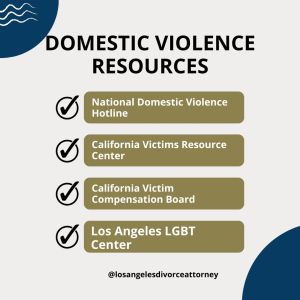 Getting help when you’re experiencing domestic violence can be extremely difficult. There are mental roadblocks as well as physical ones.
The National Domestic Violence Hotline is a good place to start if you don’t know what to do. They have 24/7 phone lines and online chat options that allow you to get help when you need it. The hotline can give you advice, offer support, and help you create a safety plan. Their resources and knowledge are vast.
In cases of physical or sexual abuse, medical attention is important because your body needs it and it helps establish a record. If you can see a doctor immediately after an assault you can start the process of officially documenting your abuse with fresh evidence.
Law enforcement is another resource. You can start a police report at any time, but immediately after a violent incident is the best time. This is especially true if there is any evidence that could disappear over time. Evidence could include physical marks on your body, destruction of property, or marks on the abuser’s body from injuring your or your property. This will also be an important step if you wish to create a restraining order.
A lawyer is invaluable if you are going to file for divorce. A good family law attorney will help you with divorce, child custody, pet custody, and any other concerns you have with leaving a violent spouse.
LGBTQ+ Domestic Violence Resources
Fortunately, there are LGBTQ+ services and resources in Los Angeles Country for domestic violence victims. If you have attempted to leave a violent relationship or family member and haven’t been successful in the past, reach out to the Los Angeles LGBT Center or LGBTQ Center Long Beach for assistance. They have guidance specifically for LGBTQ+ individuals.
How a Family Lawyer Can Help
Choosing to leave an abusive relationship is incredibly difficult. The decision is often a secret until the last moment, so preparations have to be done carefully.
If a legal separation, divorce, or child custody agreement are needed, a good lawyer can be helpful. They know how to apply the law to domestic violence situations and will help you start your new life.
If you plan to divorce an abusive partner we can help. Communication can happen over the phone, in person, or via email or text. Reach out to schedule a consultation and mention the safest method of talking with you in your consultation request.