Divorce is a significant life change that many partners do not take well. If you’re in a situation where you need to prepare discreetly, doing as much as you can before you tell your partner can make divorce proceedings easier.
Careful planning is key whether you’re concerned about financial security, legal rights, or emotional well-being. This guide will walk you through essential tips to help you protect yourself and smoothly transition into the next chapter of your life—without raising suspicion.
Prepare Financially
Preparing financially for life on your own can be the scariest part of divorce. Taking time to secure financial documents, passwords, accounts, and other assets before telling your partner you want to separate can make the process much less daunting.
For many tips in this section, you will want to print documents or note essential account numbers and passwords. Before you set out to complete these tasks, figure out a secure location for this information. A file at work, a trusted loved one’s house, or a bank lockbox are common places for hiding divorce prep materials. Secure digital files are also an option.

1. Gather Financial Documents
We are going to jump right in with one of the most cumbersome divorce prep tasks: gathering financial documents. You will need to make digital or physical copies of many financial documents.
Documents you will need:
- The last three years of tax returns
- Loan applications and other loan documents
- Property deeds
- 12 months of bank, credit card, and retirement account statements
- Investment documents
If your name is on a joint bank account but you don’t have a separate online login, talk to a bank representative about creating one. Most banks allow each partner to have their own login and password for joint accounts, preventing you from being locked out if your partner changes the password. Be sure to ask your bank about whether your partner will be notified about your own separate access. The bank should be understanding so long as you are not seeking to block your partner’s access.
2. Open a Separate Bank Account
If you don’t have a checking and savings account separate from your partner, open one now. Even if you don’t have much money to put into the account, have it ready to go.
Remember that while you’re married, all property is typically considered community property. Opening an account will not necessarily keep money from your spouse in the end, but it will guarantee that you have a bit of a cushion as you go through divorce proceedings. To be sure, you will have to disclose this account eventually, but best to have it ready when you need it.
3. Check Your Credit Report
Review your credit history to ensure no unexpected debts or accounts are in your name. If there are unknown debts, talk with a lawyer about them during your divorce consult. If the purchase is large enough, there might be grounds for a separate fraud case.

4. Avoid Large Transfers
You will want to create a small nest egg for when you decide to leave your spouse. It can be tempting to drain an account and run, but that is risky. Avoid any large monetary transfers, as they will raise suspicion.
In general, avoid withdrawing money straight from a joint bank account. Instead, take out small amounts of cash once or twice a week when you can get cash back at a store or gas station. You can also get small gift cards whenever you make everyday purchases. These will likely go unnoticed and can be saved for a rainy day. Again, you will ultimately have to account for these transfers, but assuming you are saving for living expenses, new housing, or other necessary life needs, you should not face criticism from a judge.
5. Make a List of Assets and Debts
In most situations, everything you own or owe money on will be considered a shared asset or debt with your spouse. That doesn’t mean your partner will freely acknowledge every item you share. Get ahead by making a comprehensive list of every asset and debt you have.
You might also want to include items that don’t have a considerable monetary value but have sentimental value to both of you.
6. Figure Out Your Financial Contributions
Having a clear idea of what you contribute to your relationship will help you better understand what you can expect financially from your divorce. Include your income, healthcare benefits, and side gig money.
Financial contributions can include unpaid labor, such as a stay-at-home parent’s. If you don’t work outside the home, create a clear picture of the hours you put into your family without compensation.
This is also a good time to make sure you know every bill that is paid and when it is paid. Sometimes payments lapse during divorces because one partner doesn’t realize the other partner often takes care of it. If you haven’t been financially contributing, you will still need to understand how your house runs financially.

7. Secure Valuables
If you own jewelry, cash, or sentimental items, consider placing them in a safe deposit box or a storage unit.
Because of community property and property division laws, you might still have to forfeit some of these items or buy out your partner’s share in value. But you can keep them safe during divorce proceedings and make sure something special to you isn’t lost in the shuffle (intentionally or not).
This is also a good time to take a video of the inside of your home and of any valuables. Sometimes, a partner will destroy a home or other property in retaliation when divorce is presented. A video showing your home in good repair can ensure you are not held responsible for any damages.
Understand The Legal Process
Divorce can be complicated. Especially if you have a lot of assets, kids, or have been married for a long time. Do all you can to understand the process before officially filing for divorce.
8. Understand Your State’s Divorce Laws
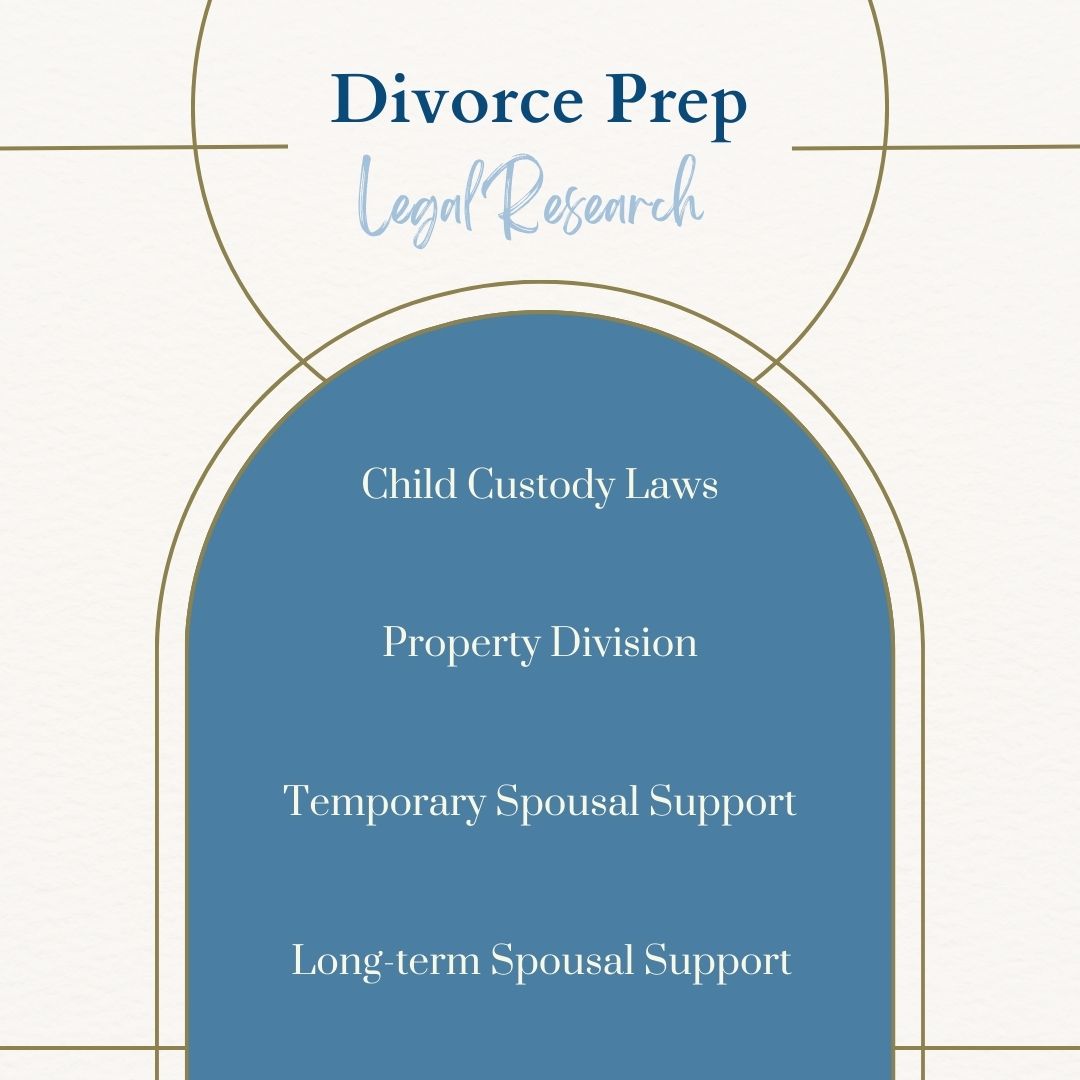
Research property division, child custody, and spousal support laws in your state. The state of California has a free self-help divorce website that is easier to understand than the legal code. It will be an asset as you begin to understand your legal rights during divorce.
As you research, note any questions you have to better utilize your time when you consult with divorce attorneys.
9. Document Any Issues
If there’s a history of abuse, financial manipulation, or neglect, keep records that might support your case. Unfortunately, it can be difficult to prove abuse without strong corroborating evidence legally. Photos, video footage, written conversations, medical visits, and police reports are all great places to start.
10. Don’t Sign Anything Prematurely
If your spouse presents any documents, don’t sign them without legal advice. Uncontested divorces and mediation can be good options but don’t jump into them without talking with a lawyer first.
Plan For the Day-to-Day
Divorce will change many aspects of your daily routine. Before you tell your partner you are filing for divorce, figure out what your new life will look like. This will make things less overwhelming when you officially separate.
If you can amicably separate, you will both benefit from your forethought about your everyday routine.

11. Plan Your Living Arrangements
Deciding where to live during and after divorce proceedings is a crucial decision. The locations might be the same or different.
If you want to remain in your marital home, do not leave it during divorce proceedings without a thorough plan. You may have a stronger claim to the property if you stay. It can be difficult to live with your partner, but it is important to consider your options if you want to win the house in your divorce.
When deciding where to live, consider what you can afford on your own, what will work for your kids or pets, if you want to stay in the same community or move away, and if you will need any government or family assistance. Start looking into housing programs or talking with family and friends now if you will need housing assistance.
12. Secure Digital Communications
It isn’t uncommon for spouses to share passwords or stay logged into an account on each other’s devices. Due to this, you will want to change all of your important passwords.
You will want to log out of all devices, but don’t do it too soon. This could tip your partner off.
Consider creating a new email address for your divorce so you have a secure place to send documents, communicate with your attorney, and make plans.

13. Think About Child Custody
If children are involved, consider what arrangement would be best for them and gather any necessary documentation. For most relationships, this won’t require much more than thinking about the future and deciding what you want to fight for.
In most situations, child custody will be shared in some way. Most of your prep here will be in brainstorming a split custody schedule that will work for both parents, deciding how to keep their routine largely the same, and thinking about how you want to tell them about the divorce. Much of this you can’t decide without your partner so you will just be prepping for each scenario.
If your partner has abused your children, start collecting evidence now if you haven’t. If you believe your partner is a flight risk, secure your children’s birth certificates, social security cards, and passport, and talk with your lawyer about your options.
14. Evaluate Your Schedule
There are a lot of things our partners do that we often forget about because they’re so routine. Sit down and look at what your partner does and what you do and make sure you have a plan to cover all the bases.
If you don’t have pets or children, it might not change your schedule that much to get divorced. If you do have kids or pets, you will want to make sure that they don’t miss any school, appointments, extracurriculars, or regular outings. Start to make a plan for who will cover what.
Prepare Emotionally
Getting ready for a divorce takes a lot of time and commitment. It might seem like a good idea to skip over your emotional needs now, but it isn’t. Preparing emotionally for divorce is just as important as the previous 14 items on this to-do list.

15. Build a Support System
You are going to need to talk during this process. Keeping everything bottled up will not help. Find trusted friends, a therapist, or a support group to help you through the process.
Focus on relationships that don’t involve your partner. You don’t want to put in-laws or mutual friends in an uncomfortable position.
16. Keep Quiet About Your Plans
Avoid discussing your intentions with mutual friends or family who might tell your spouse. Keep things to a few close knit or professional relationships to avoid gossip spreading. Definitely keep information off of social media.
Next Steps
Secretly preparing for a divorce may feel overwhelming, but taking small, strategic steps can help you regain control over your future. By safeguarding your finances, understanding your legal rights, and securing your emotional well-being, you can set yourself up for success.
Speaking with lawyers and selecting an attorney who is a good fit for your situation will help you finalize your divorce plans as you prepare to tell your spouse.
17. Find a Good Family Law Attorney
Remember, you are not alone—planning ahead will give you the strength and confidence to move forward on your terms. Contact our firm for a consultation while you quietly prepare for your divorce. We can discreetly guide you until you are ready to notify your partner and file for divorce officially.